Buy web-publishers.com ?
We are moving the project
web-publishers.com .
Are you interested in purchasing the domain
web-publishers.com ?
domain@kv-gmbh.de · 0541-91531010
Buy web-publishers.com ?
How can one distinguish ionic compounds from molecular compounds?
Ionic compounds are formed from the attraction between positively and negatively charged ions, while molecular compounds are formed from the sharing of electrons between atoms. One way to distinguish between the two is to look at their chemical formulas. Ionic compounds typically consist of a metal and a nonmetal, while molecular compounds consist of nonmetals only. Additionally, ionic compounds tend to have higher melting and boiling points compared to molecular compounds due to their strong electrostatic attractions. Finally, conducting a simple solubility test can also help distinguish between the two types of compounds, as ionic compounds are often soluble in water while molecular compounds may not be. **
How do you distinguish determinative compounds and possessive compounds?
Determinative compounds are formed by combining two words to create a new concept, where the first word determines the meaning of the second word. For example, "blackboard" is a determinative compound where "black" determines the type of "board." Possessive compounds, on the other hand, indicate possession or relationship between the two words. For example, "John's car" is a possessive compound where "John" possesses the "car." In summary, determinative compounds determine the meaning of the second word, while possessive compounds indicate possession or relationship between the two words. **
Similar search terms for Compounds
Top-Angebote
Products related to Compounds:
-
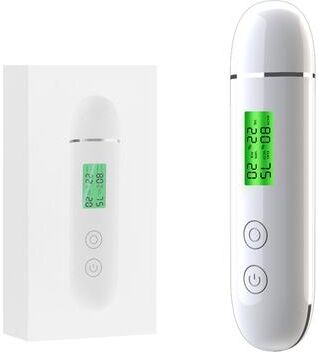
StayWell LCD Digital Skin Detector Pen Face Skin Tester, Smart Water Oil Fluorescent Content Facial Moisture Analyzer Skin Care LCD Digital Skin Detector Pen Face Skin Tester, Smart Water Oil Fluorescent Content Facial Moisture Analyzer Skin CareUnlock Your Best Skin Ever Experience precision skin analysis at home with the bold, clear LCD Digital Skin Detector Pen. No more guessingthis smart device measures moisture, oil balance, elasticity, and even detects harmful fluorescent agents in...44,97 $*Shipping: 0,00 $Secure redirect to the provider
-
Can you help me with chemistry? I need information about atomic compounds, metal compounds, and ionic compounds.
Of course! Atomic compounds are formed when two or more non-metal atoms are chemically bonded together, such as in molecules like water (H2O) and carbon dioxide (CO2). Metal compounds are formed when a metal atom is bonded to one or more non-metal atoms, such as in compounds like sodium chloride (NaCl) and iron oxide (Fe2O3). Ionic compounds are formed when a metal atom transfers one or more electrons to a non-metal atom, resulting in the formation of positively and negatively charged ions that are attracted to each other, such as in compounds like sodium chloride (NaCl) and calcium carbonate (CaCO3). Let me know if you need more specific information or examples! **
-
Why do molecular compounds have lower boiling points than ionic compounds?
Molecular compounds have lower boiling points than ionic compounds because the intermolecular forces holding the molecules together are generally weaker than the electrostatic forces holding ions together in ionic compounds. In molecular compounds, the intermolecular forces are typically van der Waals forces, dipole-dipole interactions, or hydrogen bonding, which are weaker than the strong ionic bonds in ionic compounds. As a result, less energy is required to overcome these weaker intermolecular forces, leading to lower boiling points for molecular compounds compared to ionic compounds. **
-
What are sodium compounds?
Sodium compounds are chemical compounds that contain sodium as one of their elements. These compounds can be found in various forms, such as sodium chloride (table salt), sodium hydroxide (lye), and sodium bicarbonate (baking soda). Sodium compounds are widely used in industry, agriculture, and everyday life due to their diverse properties and applications. **
-
Name the isomeric compounds.
Isomers are compounds that have the same molecular formula but different structural arrangements. Some examples of isomeric compounds include butane and isobutane, which both have the molecular formula C4H10 but differ in their structural arrangement. Another example is glucose and fructose, which both have the molecular formula C6H12O6 but have different structural arrangements and properties. **
What are atomic compounds?
Atomic compounds are chemical compounds that are composed of individual atoms of different elements bonded together. These compounds are held together by chemical bonds, such as ionic or covalent bonds, and do not contain any molecules. Examples of atomic compounds include sodium chloride (NaCl) and water (H2O). Unlike molecular compounds, which are made up of molecules, atomic compounds are made up of individual atoms. **
What are molecular compounds?
Molecular compounds are chemical compounds formed by the combination of two or more non-metal atoms. These atoms are held together by covalent bonds, which involve the sharing of electrons. Molecular compounds can exist as discrete molecules, such as water (H2O) and carbon dioxide (CO2), and they typically have lower melting and boiling points compared to ionic compounds. Examples of molecular compounds include methane (CH4), ammonia (NH3), and sulfur dioxide (SO2). **
Top-Angebote
Products related to Compounds:
-
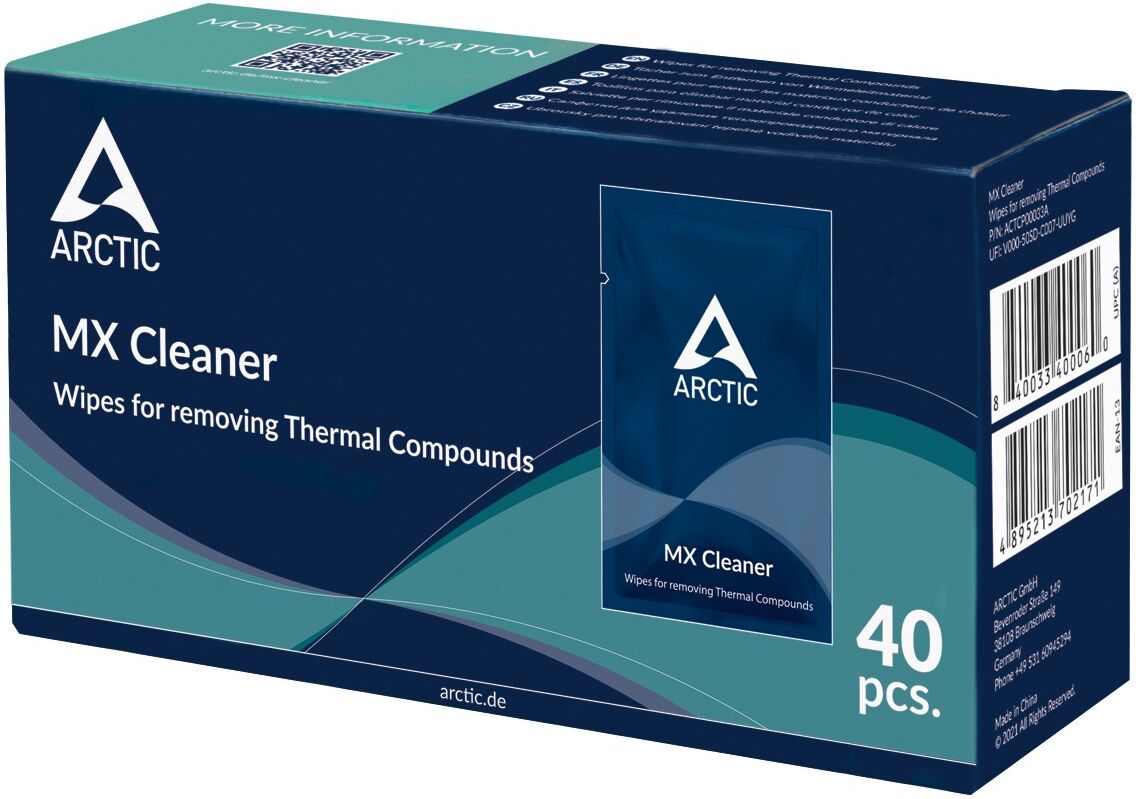
Arctic MX Cleaner - Wipes for removing Thermal Compounds (40 Pieces)ARCTIC MX Cleaner is a box of 40 individually sealed wet wipes for removing old thermal paste from CPUs, GPUs and heatsinks before reapplying compound. The cleaning fluid is limonene-based, derived from citrus oil, and contains no alcohol or benzene, so it is gentle on metals and alloys and leaves no residue. Each wipe is packed airtight to stay moist until it is used.12,99 £*Shipping: 0,00 £Secure redirect to the provider
-
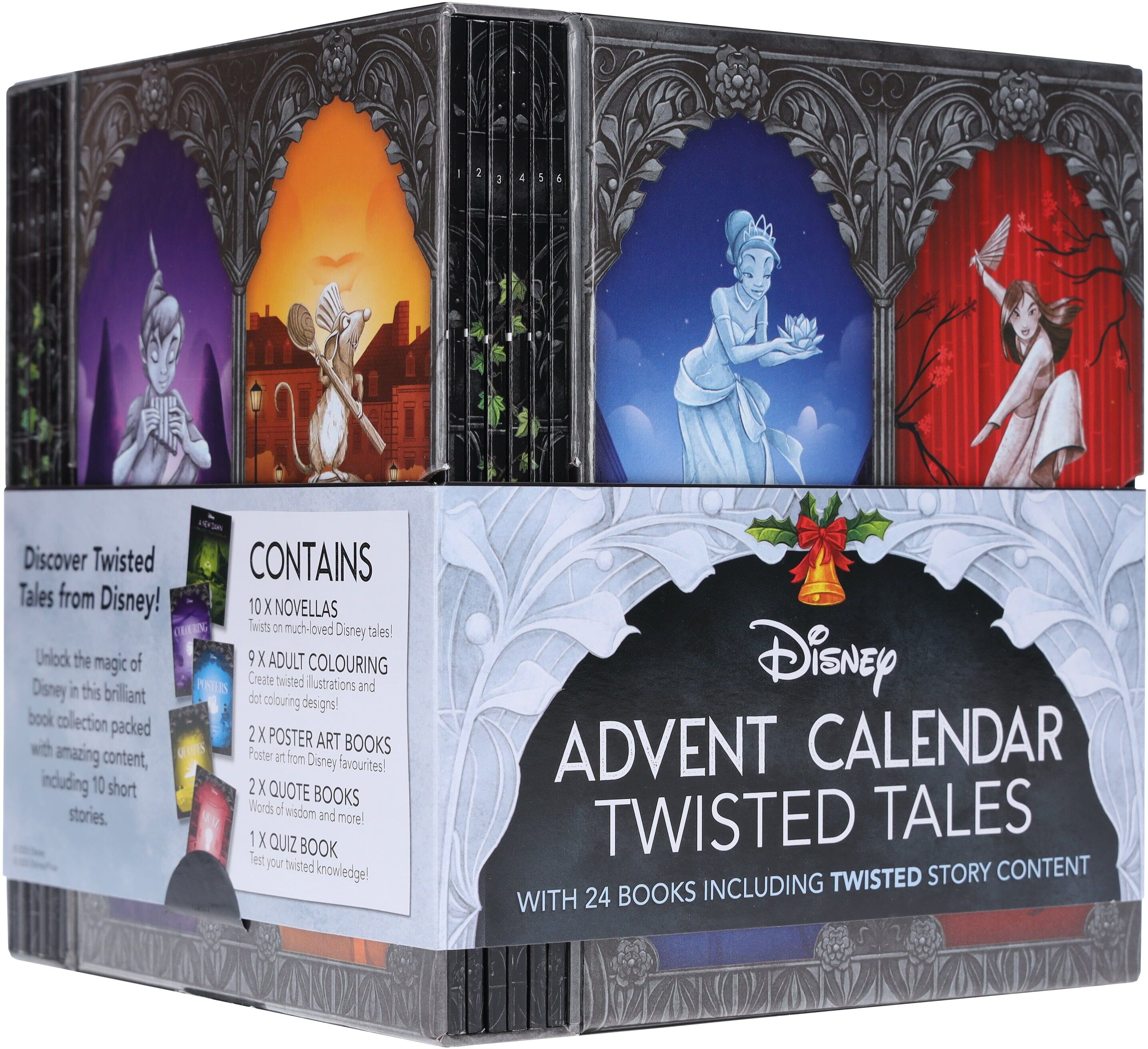
Disney: Advent Calendar Twisted Tales With 24 Books Box Set Including Twisted Story Content - Ages 12-16 - Paperback Autumn PublishingDiscover Twisted Tales from Disney this Christmas! Titles in this Set: An Expert In Gibberish - A Twisted Tale Novella 2. Colouring - Book One 3. A New Dawn - A Twisted Tale Novella 4. Posters - Book One 5. Colouring - Book Two 6. A First Mission - A Twisted Tale Novella 7. Colouring - Book Three 8. Dust To Dust - A Twisted Tale Novella 9. Quotes - Book One 10. Colouring - Book Four 11. Best of Friends - A Twisted Tale Novella 12. Dot Colouring - Book One 13. Et Voila - A Twisted Tale Novella 14. Colouring - Book Five 15. Gonna Take You There - A Twisted Tale Novella 16. Posters - Book Two 17. Human Again - A Twisted Tale Novella 18. Colouring - Book Six 19. Quiz - A Collection Of Mind Twisting Questions 20. Lady Saves The Tramp - A Twisted Tale Novella 21. Dot Colouring - Book Two 22. Quotes - Book Two 23. Colouring - Book Seven 24. The Rose And The Thorns - A Twisted Tale Novella Feature Specification Full Title Disney: Twisted Tales Advent Calendar (24 Books) Series Twisted Tales (Reimagined Disney Classics) Author Various (Jen Calonita, Elizabeth Lim, Liz Braswell) Format 24 Paperback Books in a Large Folder Case Target Age Young Adult (Ages 12 to 16) Themes Fantasy, Dark Retellings, Magic, Heroism Key Stories Aladdin, Little Mermaid, Beauty and the Beast Publisher Autumn Publishing (Bonnier Books) Unlock the magic of Disney in this Advent Calendar packed with exclusive content, including 10 brand-new short stories. 10 x Novellas - Twists on much-loved disney tales! 9 x Adult Colouring - Create twisted illustrations and dot colouring designs! 2 x Poster Art Books - Poster art from Disney favourites! 2 x Quote Books - Words of wisdom and more! 1 x Quiz Book - Test your twisted knowledge! { "@context": "https://schema.org/", "@type": "Product", "name": "Disney Twisted Tales Advent Calendar: 24 Book YA Collection", "image": "https://www.books2door.com/cdn/shop/products/twistedtalesadvent.jpg", "description": "Countdown to Christmas with 24 reimagined Disney stories. This YA advent calendar is perfect for fans of the Twisted Tales series aged 12-16.", "brand": { "@type": "Brand", "name": "Disney" }, "offers": { "@type": "Offer", "priceCurrency": "GBP", "price": "19.99", "availability": "https://schema.org/InStock", "url": "https://www.books2door.com/products/disney-advent-calendar-twisted-tales-with-24-books-box-set-including-twisted-story-content-ages-12-16-paperback" }, "mainEntity": { "@type": "FAQPage", "mainEntity": [ { "@type": "Question", "name": "Is this advent calendar suitable for teenagers?", "acceptedAnswer": { "@type": "Answer", "text": "Yes, this edition of the Disney advent calendar is specifically designed for the Young Adult market, aged 12 to 16, featuring more mature Twisted Tales content." } }, { "@type": "Question", "name": "How many books are in the Disney Twisted Tales advent calendar?", "acceptedAnswer": { "@type": "Answer", "text": "There are 24 individual paperback books included, one for each day of the December...21,98 £*Shipping: 2,99 £Secure redirect to the provider
-
StayWell LCD Digital Skin Detector Pen Face Skin Tester, Smart Water Oil Fluorescent Content Facial Moisture Analyzer Skin Care LCD Digital Skin Detector Pen Face Skin Tester, Smart Water Oil Fluorescent Content Facial Moisture Analyzer Skin CareUnlock Your Best Skin Ever Experience precision skin analysis at home with the bold, clear LCD Digital Skin Detector Pen. No more guessingthis smart device measures moisture, oil balance, elasticity, and even detects harmful fluorescent agents in...44,97 $*Shipping: 0,00 $Secure redirect to the provider
-
How can one distinguish ionic compounds from molecular compounds?
Ionic compounds are formed from the attraction between positively and negatively charged ions, while molecular compounds are formed from the sharing of electrons between atoms. One way to distinguish between the two is to look at their chemical formulas. Ionic compounds typically consist of a metal and a nonmetal, while molecular compounds consist of nonmetals only. Additionally, ionic compounds tend to have higher melting and boiling points compared to molecular compounds due to their strong electrostatic attractions. Finally, conducting a simple solubility test can also help distinguish between the two types of compounds, as ionic compounds are often soluble in water while molecular compounds may not be. **
-
How do you distinguish determinative compounds and possessive compounds?
Determinative compounds are formed by combining two words to create a new concept, where the first word determines the meaning of the second word. For example, "blackboard" is a determinative compound where "black" determines the type of "board." Possessive compounds, on the other hand, indicate possession or relationship between the two words. For example, "John's car" is a possessive compound where "John" possesses the "car." In summary, determinative compounds determine the meaning of the second word, while possessive compounds indicate possession or relationship between the two words. **
-
Can you help me with chemistry? I need information about atomic compounds, metal compounds, and ionic compounds.
Of course! Atomic compounds are formed when two or more non-metal atoms are chemically bonded together, such as in molecules like water (H2O) and carbon dioxide (CO2). Metal compounds are formed when a metal atom is bonded to one or more non-metal atoms, such as in compounds like sodium chloride (NaCl) and iron oxide (Fe2O3). Ionic compounds are formed when a metal atom transfers one or more electrons to a non-metal atom, resulting in the formation of positively and negatively charged ions that are attracted to each other, such as in compounds like sodium chloride (NaCl) and calcium carbonate (CaCO3). Let me know if you need more specific information or examples! **
-
Why do molecular compounds have lower boiling points than ionic compounds?
Molecular compounds have lower boiling points than ionic compounds because the intermolecular forces holding the molecules together are generally weaker than the electrostatic forces holding ions together in ionic compounds. In molecular compounds, the intermolecular forces are typically van der Waals forces, dipole-dipole interactions, or hydrogen bonding, which are weaker than the strong ionic bonds in ionic compounds. As a result, less energy is required to overcome these weaker intermolecular forces, leading to lower boiling points for molecular compounds compared to ionic compounds. **
Similar search terms for Compounds
-
What are sodium compounds?
Sodium compounds are chemical compounds that contain sodium as one of their elements. These compounds can be found in various forms, such as sodium chloride (table salt), sodium hydroxide (lye), and sodium bicarbonate (baking soda). Sodium compounds are widely used in industry, agriculture, and everyday life due to their diverse properties and applications. **
-
Name the isomeric compounds.
Isomers are compounds that have the same molecular formula but different structural arrangements. Some examples of isomeric compounds include butane and isobutane, which both have the molecular formula C4H10 but differ in their structural arrangement. Another example is glucose and fructose, which both have the molecular formula C6H12O6 but have different structural arrangements and properties. **
-
What are atomic compounds?
Atomic compounds are chemical compounds that are composed of individual atoms of different elements bonded together. These compounds are held together by chemical bonds, such as ionic or covalent bonds, and do not contain any molecules. Examples of atomic compounds include sodium chloride (NaCl) and water (H2O). Unlike molecular compounds, which are made up of molecules, atomic compounds are made up of individual atoms. **
-
What are molecular compounds?
Molecular compounds are chemical compounds formed by the combination of two or more non-metal atoms. These atoms are held together by covalent bonds, which involve the sharing of electrons. Molecular compounds can exist as discrete molecules, such as water (H2O) and carbon dioxide (CO2), and they typically have lower melting and boiling points compared to ionic compounds. Examples of molecular compounds include methane (CH4), ammonia (NH3), and sulfur dioxide (SO2). **
* All prices are inclusive of VAT and, if applicable, plus shipping costs. The offer information is based on the details provided by the respective shop and is updated through automated processes. Real-time updates do not occur, so deviations can occur in individual cases. ** Note: Parts of this content were created by AI.