Buy web-publishers.com ?
We are moving the project
web-publishers.com .
Are you interested in purchasing the domain
web-publishers.com ?
domain@kv-gmbh.de · 0541-91531010
Buy web-publishers.com ?
Is spider web the feces of the spider?
No, spider webs are not the feces of the spider. Spider webs are actually made from silk produced by the spider's spinnerets, which are located at the back of the spider's abdomen. The silk is used by the spider to create webs for catching prey, building nests, or for other purposes. Feces, on the other hand, are waste materials produced by the spider's digestive system and are not used in the construction of webs. **
What is the website 33?
The website 33 is a platform that offers a variety of tools and resources for entrepreneurs and small business owners. It provides access to business templates, legal documents, and other essential tools to help individuals start and grow their businesses. Additionally, the website offers educational content and advice from experienced entrepreneurs to support the success of its users. Overall, 33 aims to empower and equip entrepreneurs with the necessary resources to thrive in their business endeavors. **


Similar search terms for Nearly-Natural-33-Spider
Top-Angebote
Products related to Nearly-Natural-33-Spider:
-
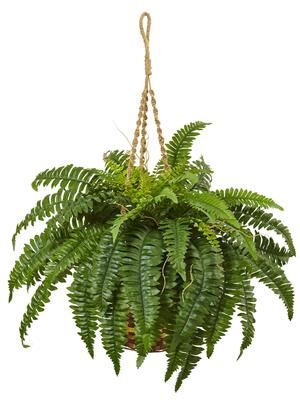
Nearly Natural Boston Fern 33-inch High Hanging BasketFull and flourishing, the hanging fronds on the Boston Fern make for a wonderful addition to a living space. Place in a kitchen or hang draped on a patio to make for a beautiful home display.64,29 $*Shipping: 0,00 $Secure redirect to the provider

-
Spider web or mold?
If given the choice between spider web or mold, I would choose spider web. Spider webs are natural creations made by spiders to catch prey, whereas mold is a type of fungus that can be harmful to health if not properly dealt with. Spider webs can also be quite intricate and beautiful to look at, adding a touch of nature to the environment. **
-
How long does a spider need to build its spider web?
The time it takes for a spider to build its web can vary depending on the species of spider and the complexity of the web. Some spiders can construct a web in as little as 30 minutes, while others may take several hours. Factors such as the availability of prey and the environmental conditions can also influence the speed at which a spider builds its web. **
-
Which spider is it, the funnel-web or the cobweb spider?
The funnel-web spider and the cobweb spider are two different species of spiders with distinct characteristics. The funnel-web spider is known for its aggressive behavior and potent venom, which can be dangerous to humans. It builds funnel-shaped webs to catch its prey. On the other hand, the cobweb spider is known for its intricate, messy webs and is not considered dangerous to humans. It catches its prey by building a tangle of silk threads. Therefore, it is important to correctly identify which spider it is, as the funnel-web spider poses a greater threat to humans. **
-
What does Article 33 of the Basic Law state?
Article 33 of the Basic Law of the Federal Republic of Germany states that every German citizen has the right to freely choose their occupation or profession, their place of work, and their training. It also prohibits any kind of forced labor. This article is part of the fundamental rights guaranteed to all citizens in Germany and reflects the country's commitment to individual freedom and the protection of labor rights. **


Can tarantulas weave a spider web?
No, tarantulas cannot weave a traditional spider web like other species of spiders. They do not have the ability to produce silk from their spinnerets in the same way that other spiders do. Instead, tarantulas use their silk for lining their burrows, creating egg sacs, and sometimes for making trip wires to detect prey. Their silk is not used for constructing intricate webs for catching prey like other spiders. **
Have you ever cut yourself on a spider thread or spider web?
No, I have never cut myself on a spider thread or spider web. Spider threads are very fine and usually not strong enough to cause any harm. In fact, most spider webs are designed to catch insects, not humans. If I come into contact with a spider web, I usually just brush it off without any issue. **
Top-Angebote
Products related to Nearly-Natural-33-Spider:
-
Nearly Natural "33"" Spider Artificial Plant in Cylinder Planter"With green and yellow spears of foliage creeping out of the included cylindrical vase, this artificial spider plant is a perfect addition to almost any office and living space.121,49 $*Shipping: 0,00 $Secure redirect to the provider
-
Nearly Natural Boston Fern 33-inch High Hanging BasketFull and flourishing, the hanging fronds on the Boston Fern make for a wonderful addition to a living space. Place in a kitchen or hang draped on a patio to make for a beautiful home display.64,29 $*Shipping: 0,00 $Secure redirect to the provider
-
Is spider web the feces of the spider?
No, spider webs are not the feces of the spider. Spider webs are actually made from silk produced by the spider's spinnerets, which are located at the back of the spider's abdomen. The silk is used by the spider to create webs for catching prey, building nests, or for other purposes. Feces, on the other hand, are waste materials produced by the spider's digestive system and are not used in the construction of webs. **
-
What is the website 33?
The website 33 is a platform that offers a variety of tools and resources for entrepreneurs and small business owners. It provides access to business templates, legal documents, and other essential tools to help individuals start and grow their businesses. Additionally, the website offers educational content and advice from experienced entrepreneurs to support the success of its users. Overall, 33 aims to empower and equip entrepreneurs with the necessary resources to thrive in their business endeavors. **
-
Spider web or mold?
If given the choice between spider web or mold, I would choose spider web. Spider webs are natural creations made by spiders to catch prey, whereas mold is a type of fungus that can be harmful to health if not properly dealt with. Spider webs can also be quite intricate and beautiful to look at, adding a touch of nature to the environment. **
-
How long does a spider need to build its spider web?
The time it takes for a spider to build its web can vary depending on the species of spider and the complexity of the web. Some spiders can construct a web in as little as 30 minutes, while others may take several hours. Factors such as the availability of prey and the environmental conditions can also influence the speed at which a spider builds its web. **
Similar search terms for Nearly-Natural-33-Spider
-
Nearly Natural "33"" Double Agave Succulent Artificial Plant in White Planter"Incorporate tropical accenting throughout your environment with this artificial double agave plant consisting of realistic looking leaves boasting naturally occurring details in bright, vivid hues.138,45 $*Shipping: 0,00 $Secure redirect to the provider
-
Nearly Natural "33"" Boxwood Topiary Spiral Artificial Tree (Indoor/Outdoor) - 6"""Whirl around this whimsical Artificial Boxwood Topiary Spiral Tree. Exotic to the eye, bring posh, jungle vibes with the twirling greens adorning a trunk like silhouette that delivers a subtle, yet rustic look.74,79 $*Shipping: 0,00 $Secure redirect to the provider
-
Which spider is it, the funnel-web or the cobweb spider?
The funnel-web spider and the cobweb spider are two different species of spiders with distinct characteristics. The funnel-web spider is known for its aggressive behavior and potent venom, which can be dangerous to humans. It builds funnel-shaped webs to catch its prey. On the other hand, the cobweb spider is known for its intricate, messy webs and is not considered dangerous to humans. It catches its prey by building a tangle of silk threads. Therefore, it is important to correctly identify which spider it is, as the funnel-web spider poses a greater threat to humans. **
-
What does Article 33 of the Basic Law state?
Article 33 of the Basic Law of the Federal Republic of Germany states that every German citizen has the right to freely choose their occupation or profession, their place of work, and their training. It also prohibits any kind of forced labor. This article is part of the fundamental rights guaranteed to all citizens in Germany and reflects the country's commitment to individual freedom and the protection of labor rights. **
-
Can tarantulas weave a spider web?
No, tarantulas cannot weave a traditional spider web like other species of spiders. They do not have the ability to produce silk from their spinnerets in the same way that other spiders do. Instead, tarantulas use their silk for lining their burrows, creating egg sacs, and sometimes for making trip wires to detect prey. Their silk is not used for constructing intricate webs for catching prey like other spiders. **
-
Have you ever cut yourself on a spider thread or spider web?
No, I have never cut myself on a spider thread or spider web. Spider threads are very fine and usually not strong enough to cause any harm. In fact, most spider webs are designed to catch insects, not humans. If I come into contact with a spider web, I usually just brush it off without any issue. **
* All prices are inclusive of VAT and, if applicable, plus shipping costs. The offer information is based on the details provided by the respective shop and is updated through automated processes. Real-time updates do not occur, so deviations can occur in individual cases. ** Note: Parts of this content were created by AI.