Buy web-publishers.com ?
We are moving the project
web-publishers.com .
Are you interested in purchasing the domain
web-publishers.com ?
domain@kv-gmbh.de · 0541-91531010
Buy web-publishers.com ?
Will my Sansevieria survive?
Sansevierias, also known as snake plants, are known for their hardiness and ability to survive in various conditions. They are low-maintenance plants that can tolerate low light, infrequent watering, and neglect. As long as your Sansevieria is not overwatered and receives some indirect light, it is likely to survive and thrive. Just make sure to avoid placing it in extremely low light conditions or overwatering, as these can lead to issues such as root rot. **
How do you properly care for a Sansevieria plant?
To properly care for a Sansevieria plant, it is important to place it in a location with bright, indirect sunlight. Water the plant sparingly, allowing the soil to dry out between waterings to prevent root rot. Sansevierias prefer well-draining soil, so make sure the pot has drainage holes. Additionally, wipe the leaves with a damp cloth occasionally to remove dust and keep them looking healthy. **


Similar search terms for Sansevieria
Top-Angebote
Products related to Sansevieria:
-
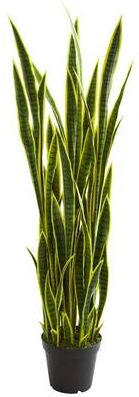
Nearly Natural 5' Sansevieria Artificial PlantInclude this lifelike Sansevieria plant in your home or office to create a nature-inspired theme. This artificial plant comes with a black pot that keeps it stable and provides a nice contrast with the green leaves.206,63 $*Shipping: 0,00 $Secure redirect to the provider
-
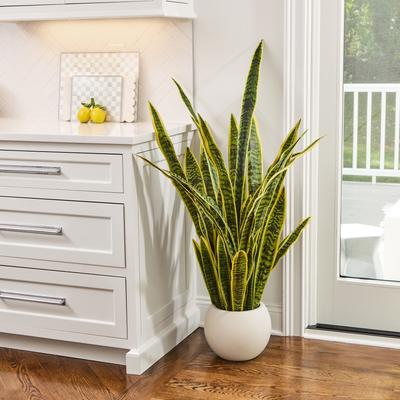
Regency International "53"" Potted Sansevieria Plant""Bring striking vertical greenery to your space with this 53"" Potted Sansevieria Plant. Crafted from durable PEVA and PE materials, its tall, upright leaves mimic the natural look of real snake plants with detailed texture and rich color."170,87 $*Shipping: 0,00 $Secure redirect to the provider


-
What is the condition of the leaves of Sansevieria?
The leaves of Sansevieria are typically long, stiff, and sword-shaped, with a pointed tip. They are usually a vibrant green color, with some varieties having variegated patterns of yellow or white. The leaves are also smooth and have a waxy texture, giving them a glossy appearance. Overall, the leaves of Sansevieria are healthy and resilient, making them a popular choice for indoor plants. **
-
What can I do if my snake plant (Sansevieria) looks sick?
If your snake plant looks sick, there are a few things you can do to help it recover. First, check the soil to make sure it's not too wet or too dry, as improper watering can lead to issues like root rot or dehydration. If the soil is too wet, allow it to dry out before watering again, and if it's too dry, water the plant thoroughly. Additionally, make sure the plant is receiving the right amount of light - snake plants prefer bright, indirect light. If the leaves are discolored or drooping, it may be a sign of too much or too little light. Finally, consider repotting the plant if it's become rootbound, and remove any dead or yellowing leaves to encourage new growth. **
-
Which publishers are affordable for publishing a book?
There are several affordable options for publishing a book, including self-publishing platforms like Amazon's Kindle Direct Publishing, IngramSpark, and Lulu. These platforms offer a range of services at different price points, allowing authors to choose the level of support they need while keeping costs manageable. Additionally, some traditional publishers, particularly smaller independent presses, may offer more affordable options for authors looking to publish their work. It's important for authors to research and compare the services and costs of different publishers to find the best fit for their budget and publishing goals. **
-
What do the white spots on the roots of the Sansevieria snake plant mean?
The white spots on the roots of a Sansevieria snake plant could indicate a few different things. One possibility is that the plant has been overwatered, leading to root rot and the development of white mold or fungus. Another possibility is that the plant has been exposed to cold temperatures, causing damage to the roots. It's important to carefully inspect the roots and soil to determine the cause of the white spots and take appropriate action to address the issue. **
How do I write an article for an Italian article blog?
When writing an article for an Italian article blog, it is important to first choose a topic that is relevant and interesting to the Italian audience. Make sure to conduct thorough research and include accurate information in your article. Use a clear and engaging writing style that will captivate the readers. Additionally, consider incorporating Italian cultural references or examples to make your article more relatable to the audience. Finally, proofread your article for grammar and spelling errors before submitting it for publication. **
Was this article helpful for the WordPress blog?
Yes, this article was helpful for the WordPress blog as it provided a comprehensive guide on how to create a successful blog post. It covered important aspects such as choosing the right topic, structuring the content effectively, and optimizing it for search engines. The tips and strategies shared in the article can help improve the quality of blog posts and attract more readers to the WordPress blog. **
Top-Angebote
Products related to Sansevieria:
-
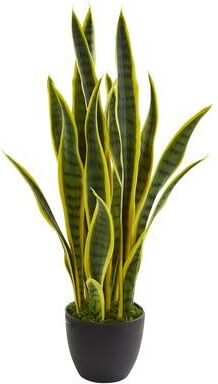
Nearly Natural 4' Sansevieria Artificial PlantBrighten up your home or office with this sansevieria artificial plant potted in a moss-topped black vase. Boasting stunning yellow-lined, variegated leaves that point upward, this faux plant remains beautiful year round.177,49 $*Shipping: 0,00 $Secure redirect to the provider
-
Nearly Natural 5' Sansevieria Artificial PlantInclude this lifelike Sansevieria plant in your home or office to create a nature-inspired theme. This artificial plant comes with a black pot that keeps it stable and provides a nice contrast with the green leaves.206,63 $*Shipping: 0,00 $Secure redirect to the provider
-
Will my Sansevieria survive?
Sansevierias, also known as snake plants, are known for their hardiness and ability to survive in various conditions. They are low-maintenance plants that can tolerate low light, infrequent watering, and neglect. As long as your Sansevieria is not overwatered and receives some indirect light, it is likely to survive and thrive. Just make sure to avoid placing it in extremely low light conditions or overwatering, as these can lead to issues such as root rot. **
-
How do you properly care for a Sansevieria plant?
To properly care for a Sansevieria plant, it is important to place it in a location with bright, indirect sunlight. Water the plant sparingly, allowing the soil to dry out between waterings to prevent root rot. Sansevierias prefer well-draining soil, so make sure the pot has drainage holes. Additionally, wipe the leaves with a damp cloth occasionally to remove dust and keep them looking healthy. **
-
What is the condition of the leaves of Sansevieria?
The leaves of Sansevieria are typically long, stiff, and sword-shaped, with a pointed tip. They are usually a vibrant green color, with some varieties having variegated patterns of yellow or white. The leaves are also smooth and have a waxy texture, giving them a glossy appearance. Overall, the leaves of Sansevieria are healthy and resilient, making them a popular choice for indoor plants. **
-
What can I do if my snake plant (Sansevieria) looks sick?
If your snake plant looks sick, there are a few things you can do to help it recover. First, check the soil to make sure it's not too wet or too dry, as improper watering can lead to issues like root rot or dehydration. If the soil is too wet, allow it to dry out before watering again, and if it's too dry, water the plant thoroughly. Additionally, make sure the plant is receiving the right amount of light - snake plants prefer bright, indirect light. If the leaves are discolored or drooping, it may be a sign of too much or too little light. Finally, consider repotting the plant if it's become rootbound, and remove any dead or yellowing leaves to encourage new growth. **
Similar search terms for Sansevieria
-
Regency International "53"" Potted Sansevieria Plant""Bring striking vertical greenery to your space with this 53"" Potted Sansevieria Plant. Crafted from durable PEVA and PE materials, its tall, upright leaves mimic the natural look of real snake plants with detailed texture and rich color."170,87 $*Shipping: 0,00 $Secure redirect to the provider
-
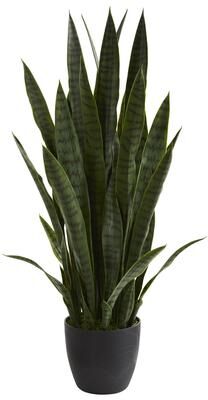
Nearly Natural "38"" Sansevieria Artificial Plant - Green"The sansevieria artificial plant, sometimes referred to as tongue, is a fun gathering of straight-edged leaves that appear to be growing right out of the dirt. With dark green stripes accenting each leaf, this is a unique and eye-catching piece.118,85 $*Shipping: 0,00 $Secure redirect to the provider
-
Nearly Natural "26"" Sansevieria Artificial Plant - Green"Bring a unique and bright look to your home with this artificial sansevieria plant. The flat green leaves are striped and have a ring of yellow lining the outside, making this a great statement piece.74,49 $*Shipping: 0,00 $Secure redirect to the provider
-
Which publishers are affordable for publishing a book?
There are several affordable options for publishing a book, including self-publishing platforms like Amazon's Kindle Direct Publishing, IngramSpark, and Lulu. These platforms offer a range of services at different price points, allowing authors to choose the level of support they need while keeping costs manageable. Additionally, some traditional publishers, particularly smaller independent presses, may offer more affordable options for authors looking to publish their work. It's important for authors to research and compare the services and costs of different publishers to find the best fit for their budget and publishing goals. **
-
What do the white spots on the roots of the Sansevieria snake plant mean?
The white spots on the roots of a Sansevieria snake plant could indicate a few different things. One possibility is that the plant has been overwatered, leading to root rot and the development of white mold or fungus. Another possibility is that the plant has been exposed to cold temperatures, causing damage to the roots. It's important to carefully inspect the roots and soil to determine the cause of the white spots and take appropriate action to address the issue. **
-
How do I write an article for an Italian article blog?
When writing an article for an Italian article blog, it is important to first choose a topic that is relevant and interesting to the Italian audience. Make sure to conduct thorough research and include accurate information in your article. Use a clear and engaging writing style that will captivate the readers. Additionally, consider incorporating Italian cultural references or examples to make your article more relatable to the audience. Finally, proofread your article for grammar and spelling errors before submitting it for publication. **
-
Was this article helpful for the WordPress blog?
Yes, this article was helpful for the WordPress blog as it provided a comprehensive guide on how to create a successful blog post. It covered important aspects such as choosing the right topic, structuring the content effectively, and optimizing it for search engines. The tips and strategies shared in the article can help improve the quality of blog posts and attract more readers to the WordPress blog. **
* All prices are inclusive of VAT and, if applicable, plus shipping costs. The offer information is based on the details provided by the respective shop and is updated through automated processes. Real-time updates do not occur, so deviations can occur in individual cases. ** Note: Parts of this content were created by AI.